For a child in the classroom, being able to see clearly matters - from reading the board to working through a textbook. Yet a vision problem can go unnoticed until someone takes the time to check. That is why Tuli Conservation Trust continues to fund and coordinate annual eye screening at our local primary schools, bringing eye examinations and glasses to children in our Bobirwa communities. This year, the project reached 297 learners across six schools. It also marked an important development in our approach, with the addition of ophthalmologist Dr Kesiilwe Gaebolae and the Bright View Eye Clinic team allowing us to offer more comprehensive examinations through an established TCT initiative.
School vision screening has formed part of TCT's community work for several years. With an annual focus on Grade 4 learners, the project creates a regular opportunity to identify vision difficulties and provide glasses where needed. For families with limited access to specialist eye care, having these services available at school makes a practical difference. It brings an examination into a familiar setting and gives learners access to expertise that may otherwise require travel beyond their community. This year, we wanted to build on that foundation. TCT brought Dr Gaebolae and Bright View Eye Clinic on board to strengthen the clinical expertise behind the project and broaden the examinations beyond checking whether children needed glasses. Their involvement meant that learners' overall eye health could also be assessed, helping identify conditions that require attending even when corrective glasses are not needed. The project remained funded and coordinated by TCT, with TCT Manager Reuben Kokole working alongside the clinical team and schools to organise its delivery.
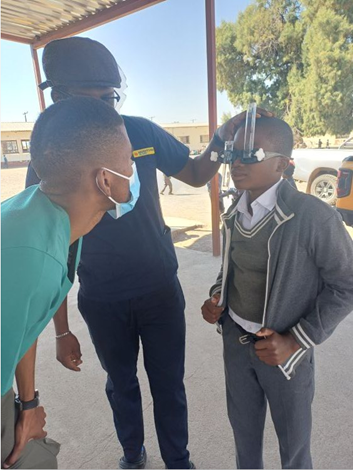
The visits reached Semolale, Mabolwe, Gobojango, Mathathane, Lentswe Le Moriti and Motlhabaneng primary schools, serving our Molema and Masego communities. Across these six schools, 297 learners had their eyes examined. The screening checked their vision, assessed their eye health and helped determine whether they needed corrective glasses, protective eyewear or referral into the healthcare system. Working directly with the schools is central to how the project operates. The involvement of school leadership and teachers helps bring the visits together and makes it possible to reach learners within their normal school environment.
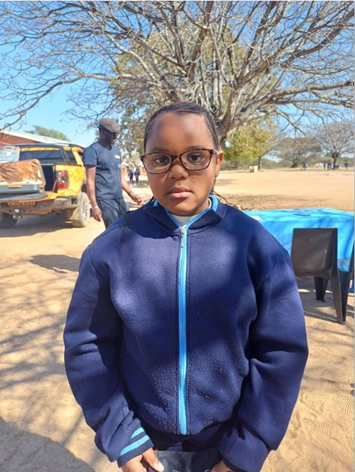
One of the most tangible outcomes was the provision of eight pairs of glasses, each matched to a child's needs. Six learners received corrective glasses to help them see more clearly. For these children, the project addressed a vision difficulty with something they can use every day, at school and at home. Two other children, each with sight loss in one eye, received protective eyewear. Their glasses serve a different purpose: helping safeguard the remaining seeing eye they depend on. Together, these outcomes illustrate the value of assessing each learner individually. The examinations helped establish what kind of eyewear was appropriate, whether to correct vision or protect sight.
The specialist examinations also revealed concerns beyond those addressed glasses. The team recorded 41 cases of allergic conjunctivitis and nine cases of vernal keratoconjunctivitis, another inflammatory eye condition. Other findings included eye alignment problems, drooping eyelids and corneal damage or scarring. These findings were an important part of this year's project. A child may not need corrective glasses but may still have an eye condition requiring medical attention. Including broader examinations gave us a fuller understanding of the eye health needs among participating learners. Where further assessment or treatment was needed, children were referred into the healthcare system. The project's role was to identify these concerns through screening and refer learners appropriately.
This year's project combined the practical outcomes of school screening - examinations and glasses - with a more comprehensive approach to eye health. Bringing specialist expertise into the project strengthened what TCT could offer learners across our six participating schools. Thank you to Dr Gaebolae and bright View Eye Clinic team, Reuben Kokole, the school leadership and staff, families and supporters who helped make the project possible. We are proud to continue investing in this work and excited to build on this year's improvements when we return for next year's screening. For TCT, these annual visits remain a practical way to help children in our communities access eye examinations, identify problems early and receive the glasses they need.